Standard antiviruses often miss hidden threats. Loaris detects and removes the adware, trojans, and spy apps they leave behind—restoring your PC to normal.

Active Webcam Page Inurl 8080 Verified

Make your PC safer

Annoying pop-up ads? A bunch of unnecessary programs constantly offering you to buy something? CPU running at 90%? Working on your computer feels like hell! Does this situation sound familiar? Loaris is here to fix all that.

How to install Trojan Remover?

97% Average satisfaction rating received in the past year
182k+ Installed copies of Trojan Remover last year
99.4% Detection Rate of viruses and malware
24/7 Our support experts are ready to assist anytime

Active Webcam Page Inurl 8080 Verified

Double-check technical accuracy regarding port 8080 and how webcams are typically configured. Ensure that the advice is up-to-date with current security standards. Mention that using HTTPS is crucial even if port 8080 is used, to encrypt data.

I should structure the post into sections: Introduction, Understanding Port 8080, Types of Active Webcams, Security Concerns, Technical Verification, Troubleshooting, and Legal Aspects. Each section needs to be detailed but clear. Maybe include examples of URLs with port 8080, but avoid providing any that might be intrusive or harmful. active webcam page inurl 8080 verified

First, "active webcam page" suggests they're interested in webcams that are currently live and accessible. The term "inurl 8080" refers to URLs that include the port number 8080, which is commonly used as an alternative HTTP port. Port 8080 is often used when the default HTTP port (80) is already in use or for specific configurations. Now, "verified" here probably means that the webcams are confirmed to be working or authenticated, maybe with user verification processes. Double-check technical accuracy regarding port 8080 and how

I should also address security aspects. Using port 8080 can be part of a strategy to obscure services from automated scans since attackers often target the default port 80. However, relying solely on port 8080 isn't secure. It's important to mention that verified pages might have additional security measures like HTTPS, user authentication, and possibly firewalls. I should structure the post into sections: Introduction,

Another angle is the technical process of verifying an active webcam on port 8080. This could involve checking the URL structure, testing the connection, ensuring the port is open, and validating the stream. Tools or methods users might employ for verification should be outlined.

I need to make sure the tone is informative and educational, not promoting anything illegal or unethical. Highlight responsible use and security best practices. Avoid any content that could be misinterpreted as encouraging unauthorized access or hacking.

I need to explain what port 8080 is and why it's used in this context. Maybe mention that some webcams are configured to run on non-standard ports for security or to avoid conflicts. Then, I should discuss the types of active webcams available—like public webcams, security cameras, and personal setups. Each type uses port 8080 for different reasons. Public webcams might use it for streaming, security cameras for local access, and personal ones for remote monitoring.
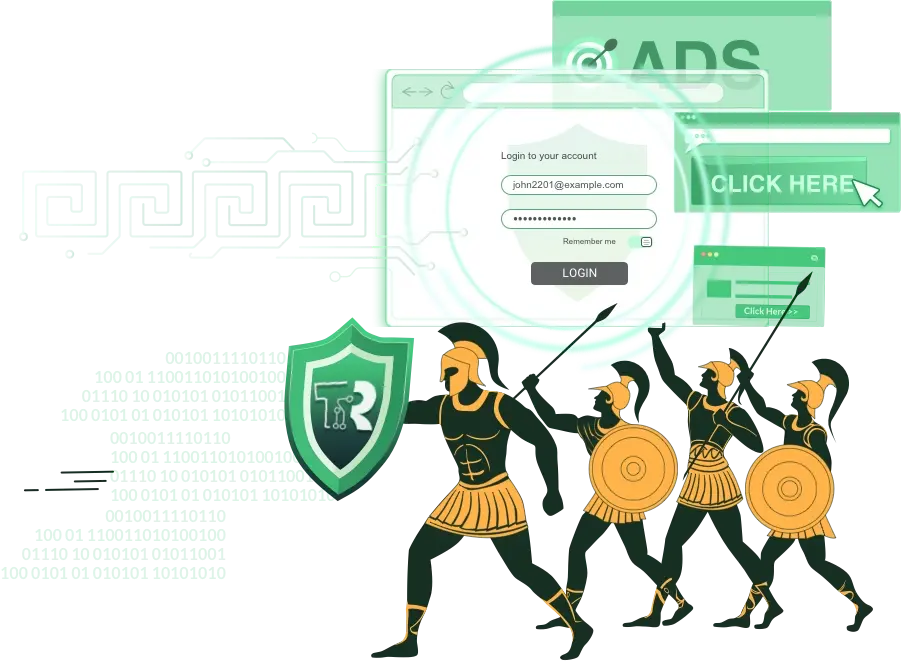
Clear out the pop-ups and redirects.

Adware and hijackers track your data and sap your system's power.

Why did my antivirus miss this? Traditional antiviruses focus on viruses that damage files. Many advertising networks and browser hijackers operate within legal boundaries, so regular antiviruses ignore them even though they harm your privacy and user experience.
Where did it come from? Adware usually bundles with free downloads. These programs track your browsing and redirect searches. Your files might be fine, but your privacy is compromised.
How Trojan Remover helps? Loaris Trojan Remover focuses on adware and hijackers. You should know exactly what is running on your PC and be able to delete it without any fuss.
How to get rid of adware?
Scam Proof
The issue Check if your PC was hooked by a coin miner!

Today, remote mining is causing many computer problems, especially for slow PCs

Computers don't just slow down for no reason. If yours is overheating or lagging, it might be infected. A deep clean often fixes what looks like hardware failure.

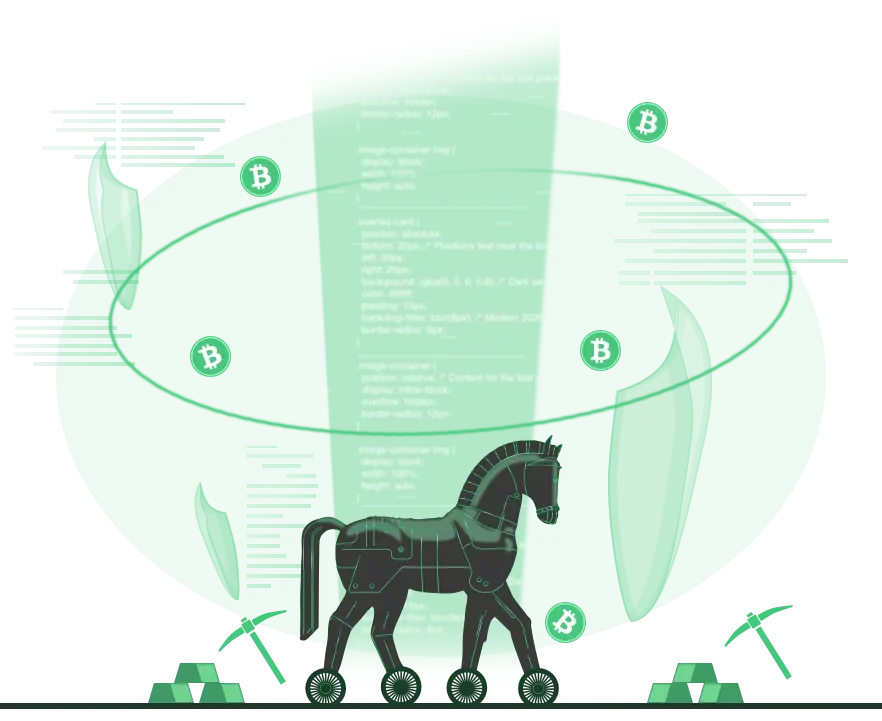
Hidden coin miners use your CPU to mine crypto. If your PC is lagging, Loaris finds the source and stops it.

There's nothing wrong with mining when done with your consent. But what if intruders are mining cryptocurrency on your computer right now? Many mining programs are legal and used officially; antiviruses might ignore this problem. But let's check whether remote mining is really safe. If mining is done without your knowledge, something clearly isn't right! Loaris will show you potential problems and fix them.

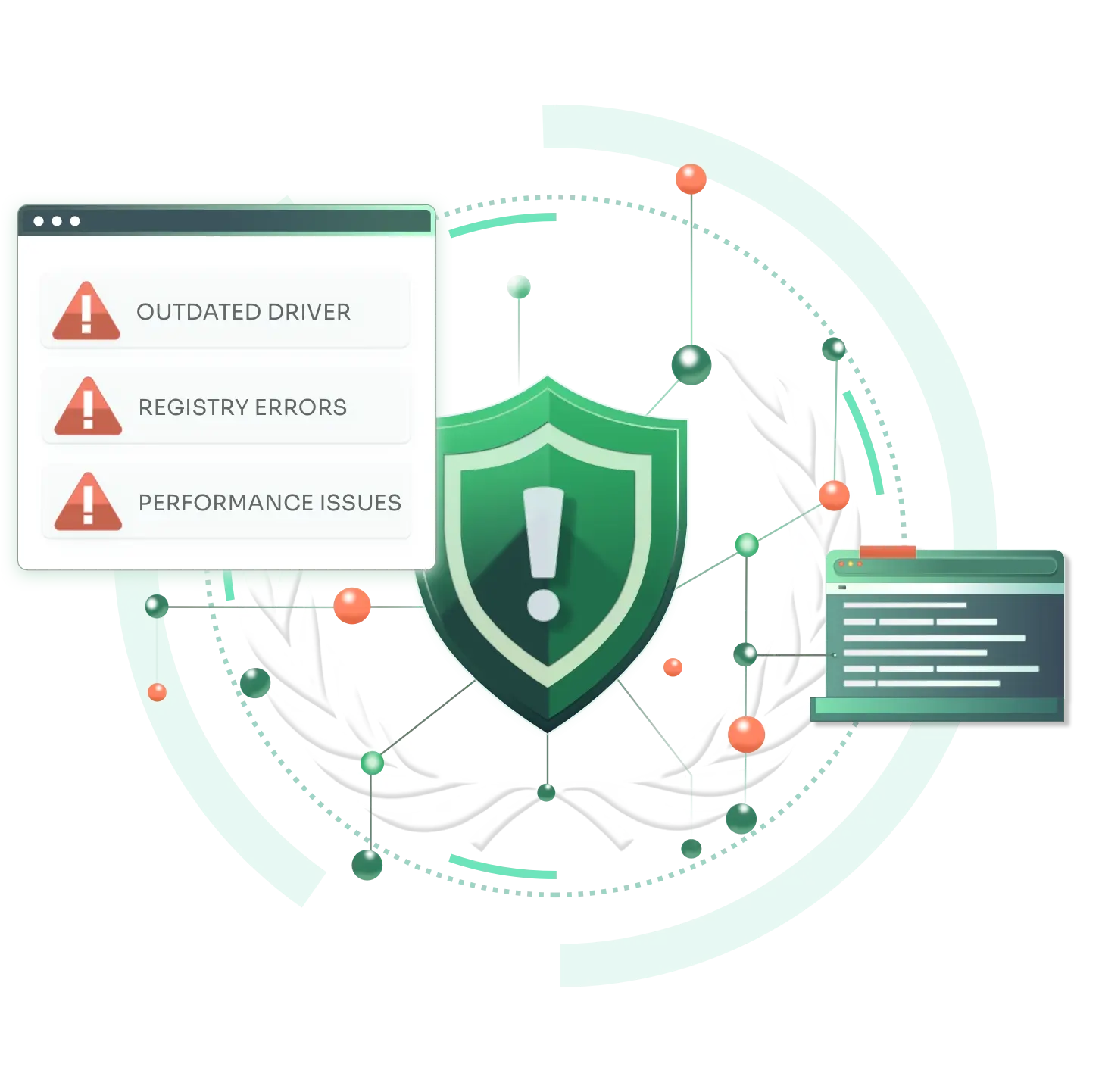
Fake system warnings about outdated drivers, registry errors, and performance issues

These are PUAs—Potentially Unwanted Applications that create fake problems to scare you into paying.

Common examples of PUAs Optimizers, driver updaters, and registry cleaners often fake problems to scare you. They claim your system is broken, but these tools are the real issue.
How do they get installed? PUAs often bundle with free software you download. They hide in "Recommended" installation options and install without clear consent. Once installed, they're difficult to uninstall and keep displaying fake alerts to pressure you into buying their "solution."
Loaris detects PUAs that others miss While some PUAs have legal teams protecting them, Loaris provides honest detection. We identify fake optimizers, registry cleaners, driver scammers, and other unwanted programs that slow down your system and waste your money.
How to get rid of adware?