
Bangali Sex Movie High Quality | 90% GENUINE |

Bangali cinema, also known as Bengali cinema, has a rich history and has been a significant part of Indian cinema since the early 20th century. Over the years, Bangali movies have evolved in terms of their storylines, characters, and themes. One of the most prominent and enduring themes in Bangali cinema is the portrayal of high relationships and romantic storylines. This paper aims to explore the representation of high relationships and romantic storylines in Bangali movies, analyzing their significance, impact, and cultural relevance.

Bangali romantic movies often explore the complexities of love and relationships in the context of Indian culture and society. For example, the movie "Arun Kamar" (1965) by Tajeshwar Bhowmik features a classic tale of unrequited love, while "Deep Jwele Ja" (1970) by Tarun Majumdar explores the complexities of love and relationships in a small town. bangali sex movie high quality

Romantic storylines are a staple of Bangali cinema. Bangali movies often feature romantic tales of love, loss, and longing. These storylines can range from simple, straightforward romances to complex, melodramatic tales of unrequited love. Bangali cinema, also known as Bengali cinema, has

High relationships, also known as "high-concept" relationships, refer to complex, intense, and often tumultuous relationships between characters. In Bangali movies, high relationships are often portrayed as passionate, all-consuming, and transformative. These relationships can be romantic, familial, or platonic, but they are always intense and emotionally charged. This paper aims to explore the representation of
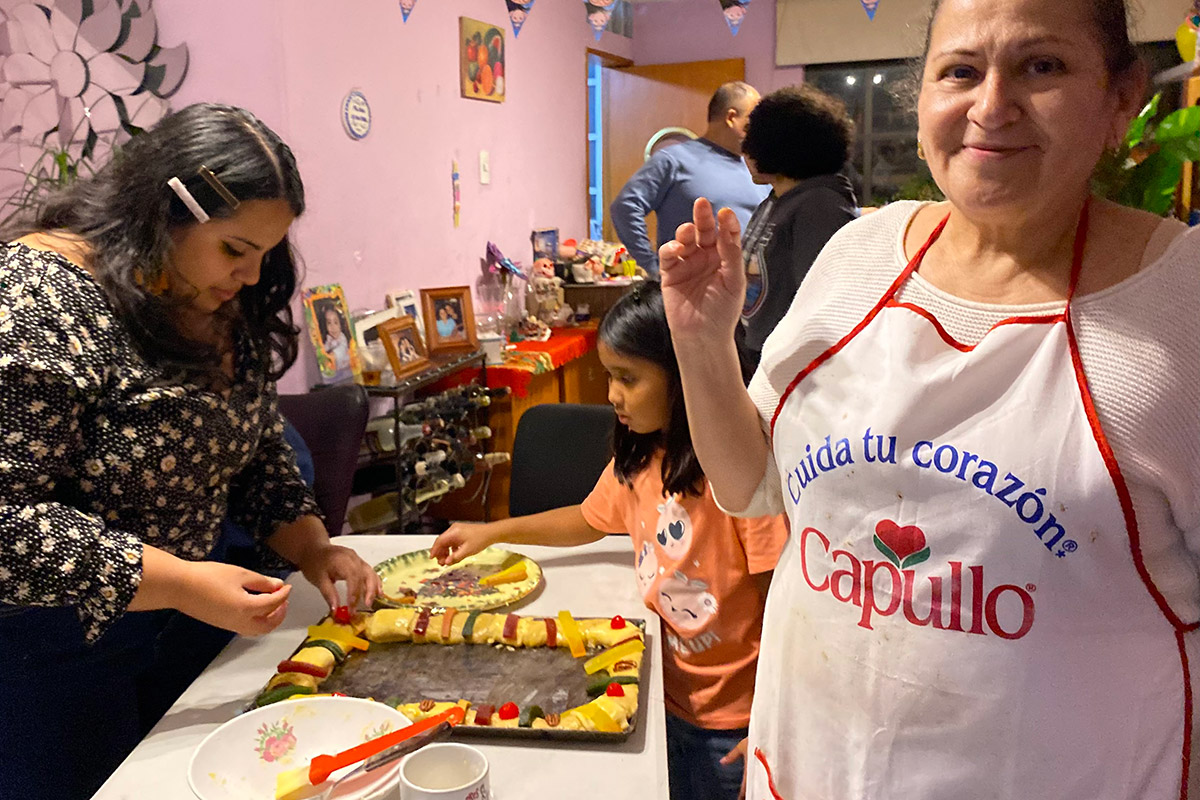
In the foreground, a woman wearing a white apron with a Spanish-language slogan smiles at the camera. Behind her, a young woman and young girl places strips of brightly colored fruit candy and nuts on top of a rectangular ring cake.

Dani and I decorate the Rosca de Reyes while my Tía Laura smiles.

Photo by Tomí García Téllez

Bangali cinema, also known as Bengali cinema, has a rich history and has been a significant part of Indian cinema since the early 20th century. Over the years, Bangali movies have evolved in terms of their storylines, characters, and themes. One of the most prominent and enduring themes in Bangali cinema is the portrayal of high relationships and romantic storylines. This paper aims to explore the representation of high relationships and romantic storylines in Bangali movies, analyzing their significance, impact, and cultural relevance.

Bangali romantic movies often explore the complexities of love and relationships in the context of Indian culture and society. For example, the movie "Arun Kamar" (1965) by Tajeshwar Bhowmik features a classic tale of unrequited love, while "Deep Jwele Ja" (1970) by Tarun Majumdar explores the complexities of love and relationships in a small town.

Romantic storylines are a staple of Bangali cinema. Bangali movies often feature romantic tales of love, loss, and longing. These storylines can range from simple, straightforward romances to complex, melodramatic tales of unrequited love.

High relationships, also known as "high-concept" relationships, refer to complex, intense, and often tumultuous relationships between characters. In Bangali movies, high relationships are often portrayed as passionate, all-consuming, and transformative. These relationships can be romantic, familial, or platonic, but they are always intense and emotionally charged.


Support the Folklife Festival, Smithsonian Folkways Recordings, Cultural Vitality Program, educational outreach, and more.

.