 No products in the cart.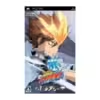
Katekyo Hitman Reborn Battle Arena ( PSP )
If the user intended to access a specific website, they should double-check the URL. Common typos include missing letters, extra letters, or swapped letters. For example, "ezescozescocozm" might have a missing slash after "https://", or maybe the domain is misspelled. They should ensure they're using the correct and secure address provided by the official source.
If the URL is part of a login process for a legitimate service, the user might have entered the wrong password or there's an error on the site's end. They should try clearing their browser's cache or using a different browser.
In summary, the user likely encounters a corrupted or incorrect URL. My guide should help them verify the URL, check for typos, warn about phishing, and suggest steps to safely access the intended site if possible.