Literature

Paul Cornea Originile Romantismului Romanesc Pdf [2026 Release]

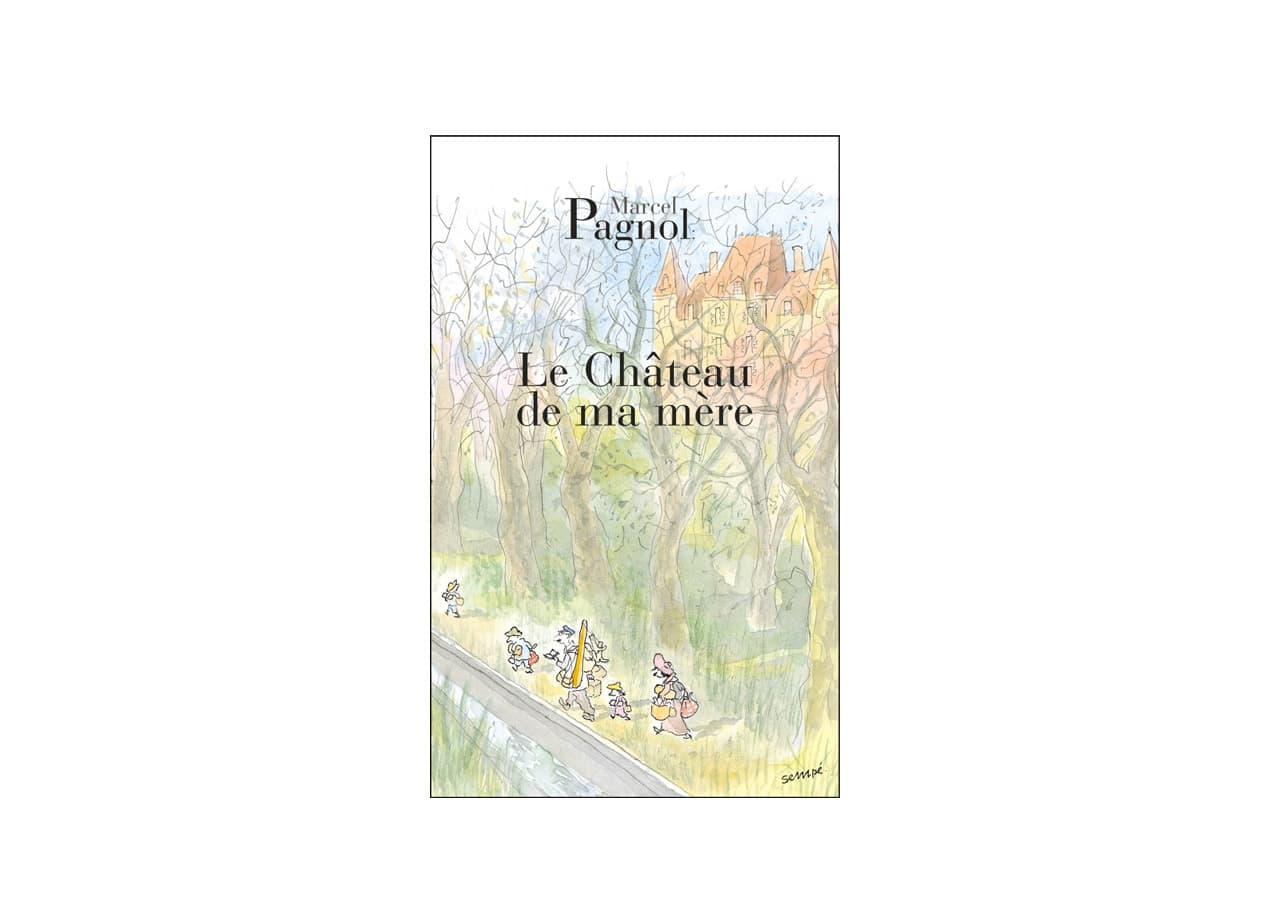
The most beautiful book on child friendship: one morning while hunting in the hills, Marcel meets the little peasant, Lili des Bellons. His vacations and his whole life will be illuminated by it.

The most beautiful book about childhood friendship.

Summary

One year after La Gloire de mon père (My Father’s Glory), Marcel Pagnol thought he would conclude his childhood memories with this Château de ma mère (1958), the second part of what he considered as a diptych, ending with the famous scene of the ferocious guardian frightening the timid Augustine. Little Marcel, after the family tenderness, discovered friendship with the wonderful Lili, undoubtedly the most endearing of his characters. The book closes with a melancholic epilogue, a poignant elegy to the time that has passed. In it, Pagnol strikes a chord of gravity to which he has rarely accustomed his readers.

Hey friend! “
I saw a boy about my age looking at me sternly. You shouldn’t touch other people’s traps,” he said. “A trap is sacred!
” 

– “I wasn’t going to take it,” I said. “I wanted to see the bird.” 

He approached: “it was a small peasant. He was, brown, with a fine Provencal face, black eyes and long girlish lashes.”

Buy online

You will also like:

Paul Cornea Originile Romantismului Romanesc Pdf [2026 Release]

Need to mention if there are specific chapters or sections that stand out. For example, discussions on the role of the press, journals, or salons in disseminating Romantic ideas. How the language and style of the book are presented—clear, academic, accessible?

I should also think about the intended audience. Is this for academics, students, or general readers interested in Romanian literature? Based on the title and the author, likely for academic purposes. The review should highlight the scholarly contributions and any potential gaps. paul cornea originile romantismului romanesc pdf

Paul Cornea’s Originile romantismului românesc offers a foundational exploration of the emergence and evolution of Romanian Romanticism, situating it both within the broader European context and the unique socio-political fabric of 19th-century Romania. As a seminal work by a respected literary historian, the study remains a critical text for understanding the intersection of intellectual currents, national identity, and artistic innovation during this period. Need to mention if there are specific chapters

Cornea adopts a chronological approach, tracing the transition from Enlightenment rationalism to Romanticism in Romania. He begins with the late 18th century, acknowledging the lingering influence of European Enlightenment thinkers while highlighting the early 19th century as the formative stage of Romantic ideals. The work is notably structured around three pillars: historical context , literary developments , and key figures . This framework allows Cornea to dissect how Romania’s national awakening—marked by political upheaval, unification movements, and cultural shifts—interacted with Romanticism’s emphasis on individualism, nature, and the sublime. I should also think about the intended audience

Next, the structure of the PDF. The user mentioned it's a PDF, so maybe it's an older academic work, possibly from the 20th century. Since Romanticism in Romania began around the early 19th century, the book would cover that period. I need to outline the main themes: historical events influencing the growth of Romanticism, such as the national awakening, the influence of Western European Romanticism, key poets and writers like Mihai Eminescu, Mihail Kogalniceanu, etc. Also, the book might discuss the transition from the Enlightenment to Romanticism in Romanian literature.

In summary, the review should cover the purpose of the book, its main arguments, methodology, notable authors discussed, strengths, limitations, and its significance in the field. Comparing it to other works might be helpful, but if I'm not familiar with others, maybe keep it focused on Cornea's work.
Need to mention if there are specific chapters or sections that stand out. For example, discussions on the role of the press, journals, or salons in disseminating Romantic ideas. How the language and style of the book are presented—clear, academic, accessible?

I should also think about the intended audience. Is this for academics, students, or general readers interested in Romanian literature? Based on the title and the author, likely for academic purposes. The review should highlight the scholarly contributions and any potential gaps.

Paul Cornea’s Originile romantismului românesc offers a foundational exploration of the emergence and evolution of Romanian Romanticism, situating it both within the broader European context and the unique socio-political fabric of 19th-century Romania. As a seminal work by a respected literary historian, the study remains a critical text for understanding the intersection of intellectual currents, national identity, and artistic innovation during this period.

Cornea adopts a chronological approach, tracing the transition from Enlightenment rationalism to Romanticism in Romania. He begins with the late 18th century, acknowledging the lingering influence of European Enlightenment thinkers while highlighting the early 19th century as the formative stage of Romantic ideals. The work is notably structured around three pillars: historical context , literary developments , and key figures . This framework allows Cornea to dissect how Romania’s national awakening—marked by political upheaval, unification movements, and cultural shifts—interacted with Romanticism’s emphasis on individualism, nature, and the sublime.

Next, the structure of the PDF. The user mentioned it's a PDF, so maybe it's an older academic work, possibly from the 20th century. Since Romanticism in Romania began around the early 19th century, the book would cover that period. I need to outline the main themes: historical events influencing the growth of Romanticism, such as the national awakening, the influence of Western European Romanticism, key poets and writers like Mihai Eminescu, Mihail Kogalniceanu, etc. Also, the book might discuss the transition from the Enlightenment to Romanticism in Romanian literature.

In summary, the review should cover the purpose of the book, its main arguments, methodology, notable authors discussed, strengths, limitations, and its significance in the field. Comparing it to other works might be helpful, but if I'm not familiar with others, maybe keep it focused on Cornea's work.