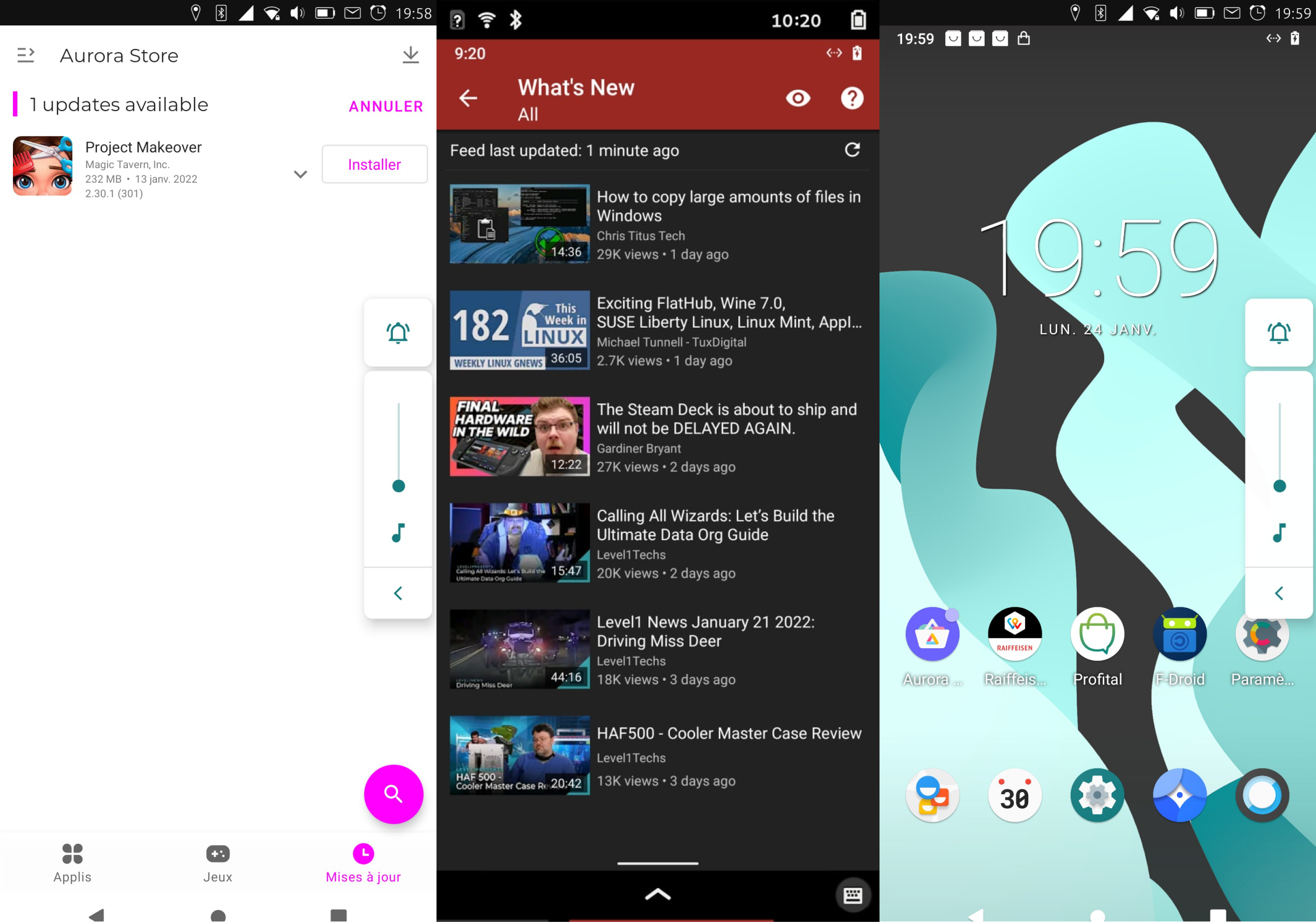
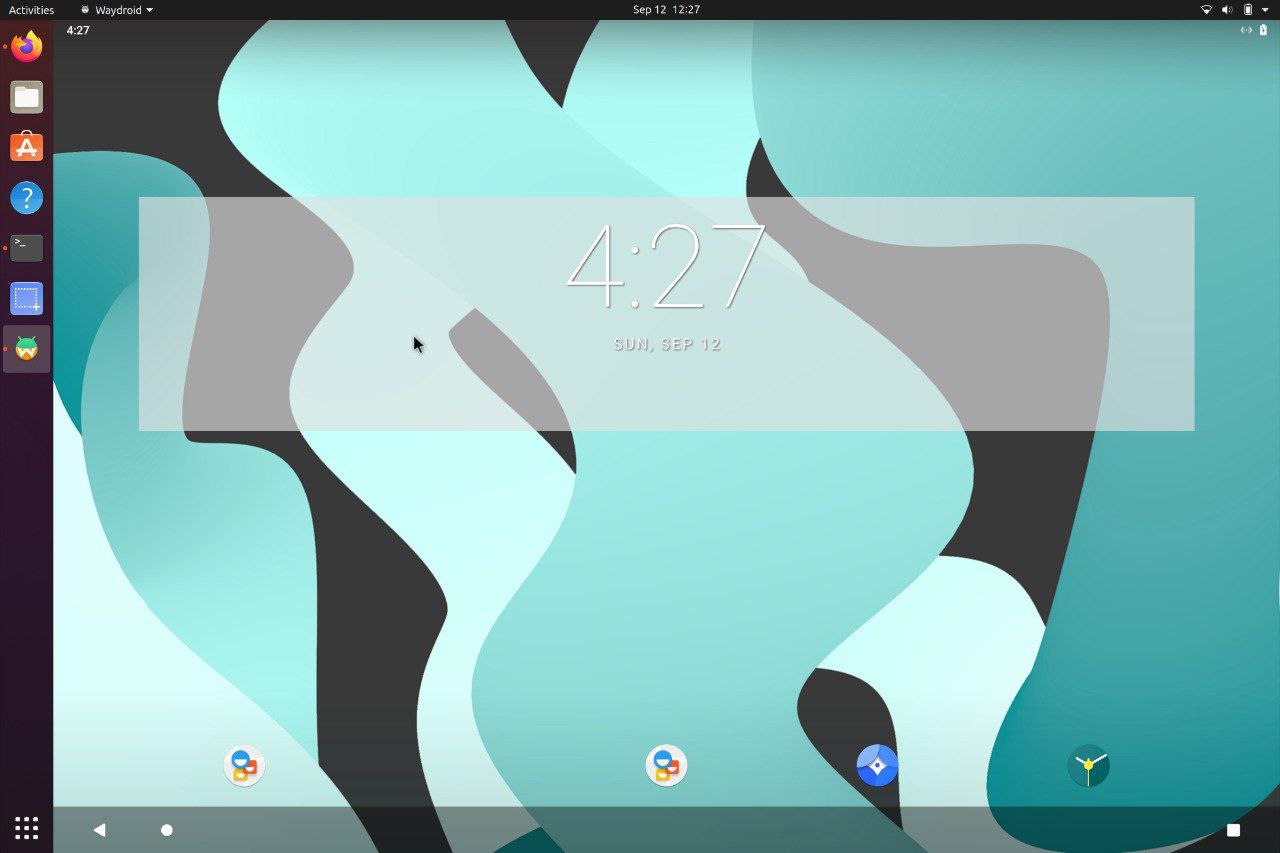
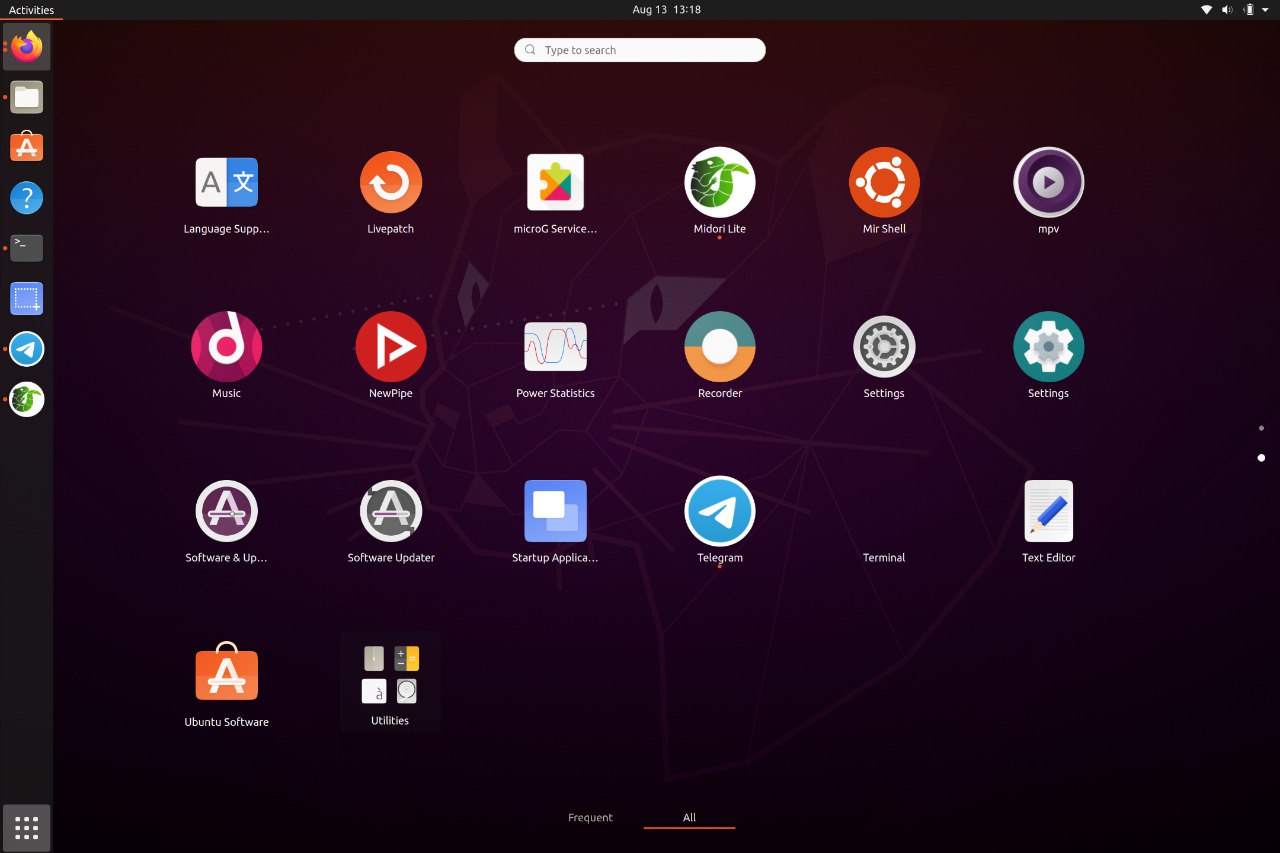
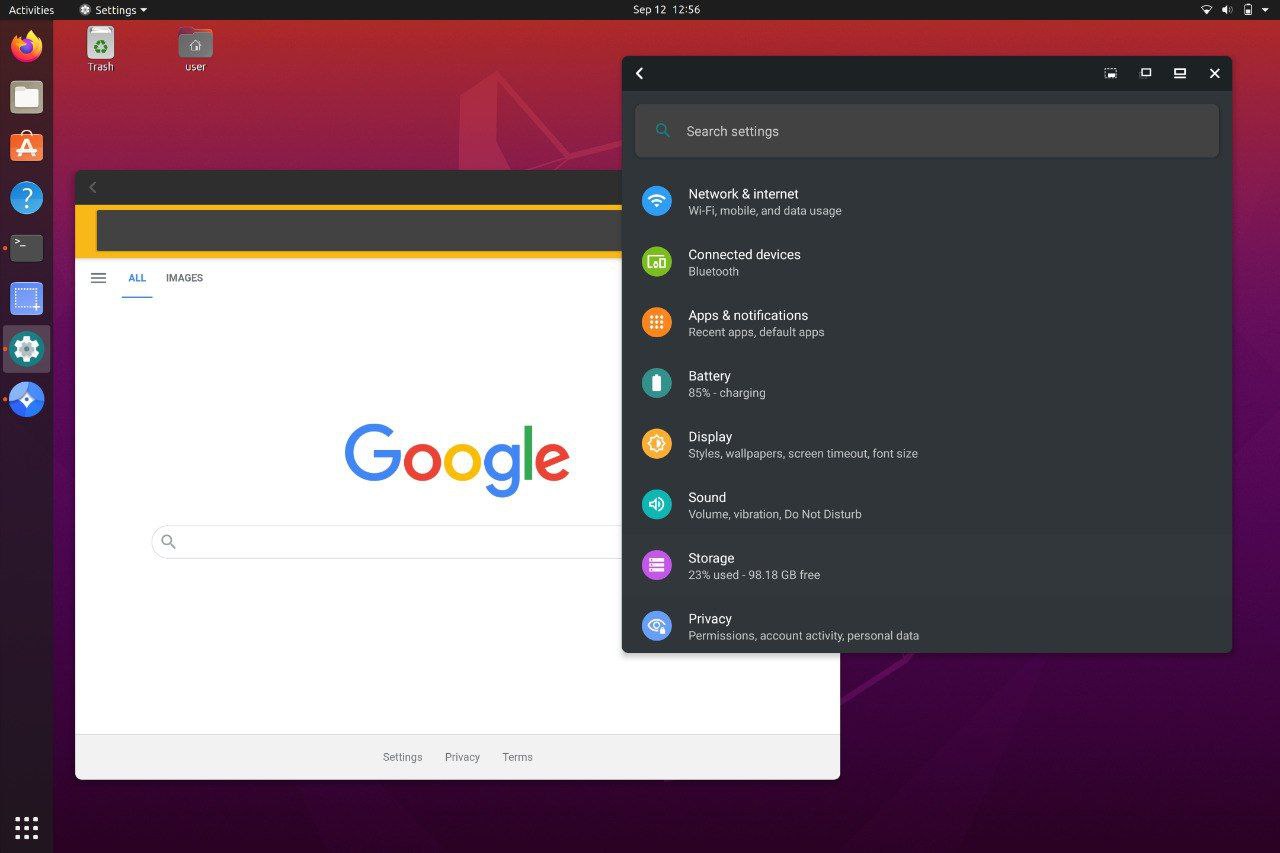
A container-based approach to boot a full Android system on regular GNU/Linux systems running Wayland based desktop environments.
Qcow2 (QEMU Copy-on-Write) is a virtual disk image format used by QEMU, a popular open-source emulator and virtualizer. Qcow2 images are widely used in virtualization environments, including KVM, VirtualBox, and QEMU, due to their flexibility, compression, and encryption capabilities.
Are you looking to download a Windows Vista Qcow2 image for virtualization purposes? Look no further! In this blog post, we'll guide you through the process of obtaining a Windows Vista Qcow2 image, discuss its uses, and provide essential information to ensure a smooth experience.
Before downloading a Windows Vista Qcow2 image, ensure you understand the licensing terms and conditions. Microsoft's End User License Agreement (EULA) for Windows Vista permits virtualization, but you must have a valid license.
Downloading a Windows Vista Qcow2 image can be a straightforward process if you follow the guidelines outlined in this blog post. Remember to respect licensing terms and conditions, and exercise caution when using third-party repositories. Whether you're a developer, educator, or enthusiast, having a Windows Vista Qcow2 image can be a valuable resource for virtualization and testing purposes.
: This blog post is for educational purposes only. We do not condone or promote piracy or unauthorized use of software. Ensure you have a valid license and follow all applicable laws and regulations.
Waydroid brings all the apps you love, right to your desktop, working side by side your Linux applications.
The Android inside the container has direct access to needed hardwares.
The Android runtime environment ships with a minimal customized Android system image based on LineageOS. The used image is currently based on Android 13
Our documentation site can be found at docs.waydro.id
Bug Reports can be filed on our repo Github Repo
Our development repositories are hosted on Github
Please refer to our installation docs for complete installation guide.
You can also manually download our images from
SourceForge
For systemd distributions
Follow the install instructions for your linux distribution. You can find a list in our docs.
After installing you should start the waydroid-container service, if it was not started automatically:
sudo systemctl enable --now waydroid-container
Then launch Waydroid from the applications menu and follow the first-launch wizard.
If prompted, use the following links for System OTA and Vendor OTA:
https://ota.waydro.id/system
https://ota.waydro.id/vendor
For further instructions, please visit the docs site here
Qcow2 (QEMU Copy-on-Write) is a virtual disk image format used by QEMU, a popular open-source emulator and virtualizer. Qcow2 images are widely used in virtualization environments, including KVM, VirtualBox, and QEMU, due to their flexibility, compression, and encryption capabilities.
Are you looking to download a Windows Vista Qcow2 image for virtualization purposes? Look no further! In this blog post, we'll guide you through the process of obtaining a Windows Vista Qcow2 image, discuss its uses, and provide essential information to ensure a smooth experience.
Before downloading a Windows Vista Qcow2 image, ensure you understand the licensing terms and conditions. Microsoft's End User License Agreement (EULA) for Windows Vista permits virtualization, but you must have a valid license.
Downloading a Windows Vista Qcow2 image can be a straightforward process if you follow the guidelines outlined in this blog post. Remember to respect licensing terms and conditions, and exercise caution when using third-party repositories. Whether you're a developer, educator, or enthusiast, having a Windows Vista Qcow2 image can be a valuable resource for virtualization and testing purposes.
: This blog post is for educational purposes only. We do not condone or promote piracy or unauthorized use of software. Ensure you have a valid license and follow all applicable laws and regulations.
Here are the members of our team